Japanese selvedge jeans shopping guide
Wiki Article
Japanese selvedge jeans have earned a global reputation for exceptional craftsmanship, durability, and timeless style. Whether you’re a first-time buyer or possibly a seasoned denim enthusiast, understanding what to look for can help you make the right investment. This shopping guide will walk you through all you need to know before investing in a pair.
What Are Japanese Selvedge Jeans?
Selvedge denim is woven on traditional shuttle looms, making a tightly constructed fabric with clean, self-finished edges. Japanese mills are famous for preserving these vintage techniques, causing denim which is both durable and abundant with character.
Brands like Momotaro Jeans, Samurai Jeans, and Iron Heart are widely respected because of their commitment to quality and authenticity.
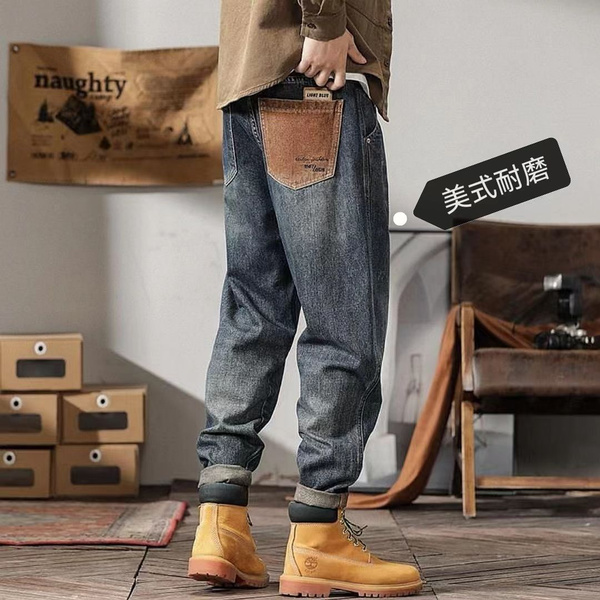
Why Choose Japanese Selvedge Denim?
Japanese selvedge jeans jump out for several reasons:
Superior craftsmanship – Made using time-intensive processes and care about detail
Premium materials – Often built from high-quality cotton like Zimbabwe cotton
Unique fading – Develop personalized wear patterns after a while
Durability – Designed to last for many years, not seasons
Unlike mass-produced jeans, these are generally considered long-term wardrobe investments.
Understanding Fabric Weight
One of the biggest factors when you shop is fabric weight, measured in ounces (oz):
Lightweight (10–13 oz): Comfortable and suitable for warmer climates
Midweight (14–16 oz): Balanced for everyday wear
Heavyweight (17+ oz): Extremely durable but requires break-in time
Brands like Iron Heart are specially known for heavyweight denim, and some offer a broader range many different preferences.
Choosing the Right Fit
Fit plays an important role in how your jeans appearance and feel. Common options include:
Slim fit – Modern and tailored
Straight fit – Classic and versatile
Tapered fit – Relaxed at the pinnacle, narrower with the ankle
Japanese brands often use unique sizing systems, so it’s vital to check measurements as opposed to relying on standard sizes.
Raw vs. Washed Denim
Most Japanese selvedge jeans can be bought as raw (unwashed) denim, meaning they haven’t been pre-shrunk or faded.
Raw denim: Stiff initially but molds in your body and fades uniquely
One-wash denim: Pre-rinsed to lessen shrinkage and soften the fabric
If you’re a new comer to selvedge, beginning with one-wash can make the transition easier.
Key Details to Look For
Japanese denim is known for its distinctive features. When shopping, pay care about:
Selvedge ID – Colored edge (often red or pink) visible when cuffs are rolled
Stitching quality – Tight, even stitching indicates durability
Hardware – High-quality buttons, rivets, and zippers
Leather patches – Often made out of natural leather that ages as time passes
Brands like Studio D'Artisan are particularly recognized for intricate detailing and craftsmanship.
Budget Considerations
Japanese selvedge jeans typically range between mid to premium pricing. While they might seem expensive upfront, their longevity and quality often make them more cost-effective over time.
If you’re only starting, consider entry-level options before committing to higher-end, specialty pieces.
Where to Buy
You can discover Japanese selvedge jeans through:
Official brand websites
Specialty denim retailers
Online stores concentrating on heritage fashion
Always check sizing charts, return policies, and authenticity when purchasing online.
Care and Maintenance Tips
To get the most out of your jeans:
Avoid frequent washing to preserve fades
Wash really well in cold water when needed
Air dry to stop shrinkage
Wear regularly to build up unique patterns
Proper care ensures your jeans age beautifully with time.
Shopping for best selvedge is about more than just buying clothing—it’s about committing to craftsmanship and private style. With brands like Momotaro Jeans, Samurai Jeans, and Iron Heart leading the way, there’s a perfect pair on the market for every preference and budget.